GFN•TV will bring the conference's platform for rational and inclusive debate on the future role of safer nicotine products and tobacco harm reduction to an audience all year round. GFN•TV will also be broadcasting live from Warsaw in June. Tune in to hear world-leading experts, tobacco harm reduction advocates and nicotine consumers discuss the latest scientific, regulatory and policy developments. From our unique annual event, to year-round reporting of the issues that matter in tobacco harm reduction, GFN has got it covered.
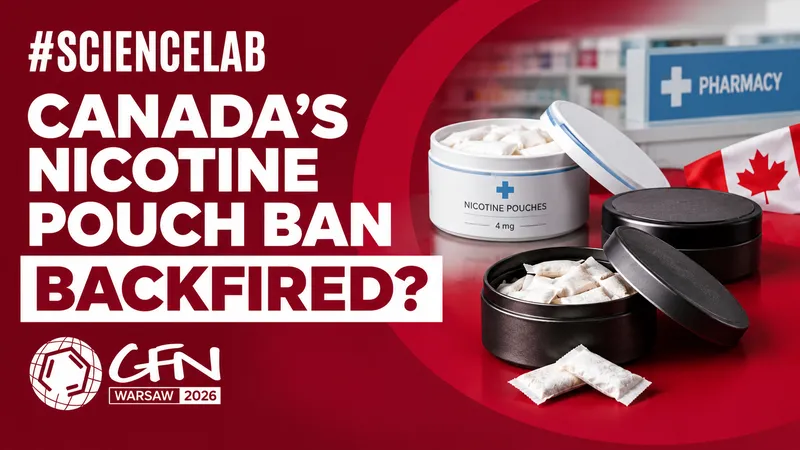
Why Are Nicotine Pouches Sold Through Pharmacies in Canada? | #GFN26ScienceLab
Canada’s approach to nicotine pouch regulation has created a system that puts pharmacists at the centre of access to authorised products — while unauthorised pouches remain widely available. Has the policy achieved its intended goals, or has it created new problems?
In this GFN Science Lab presentation from GFN 2026 in Warsaw, pharmacist Todd Prochnau examines Canada’s pharmacy-centric regulatory model and its implications for public health, smoking cessation and tobacco harm reduction.
Poland is tightening its regulation of nicotine pouches and e-cigarettes — but are rising taxes and expanding restrictions creating unintended consequences?
At #GFN26, Ewelina Woike-Reguła and Robert Boneczko examine Poland’s rapidly changing regulatory and fiscal landscape, from steep excise duty increases to proposed flavour restrictions on nicotine pouches and a possible ban on disposable e-cigarettes.
The discussion explores how Poland has extended excise duties to new product categories, including vaping devices, and how businesses have responded to rules that struggle to keep pace with the market. With further changes under consideration, the speakers highlight concerns about regulatory uncertainty, the growth of the grey and black markets, and the potential risks for consumers.
📅 9 Oct 2026
Why New Zealand Is Getting It Right?
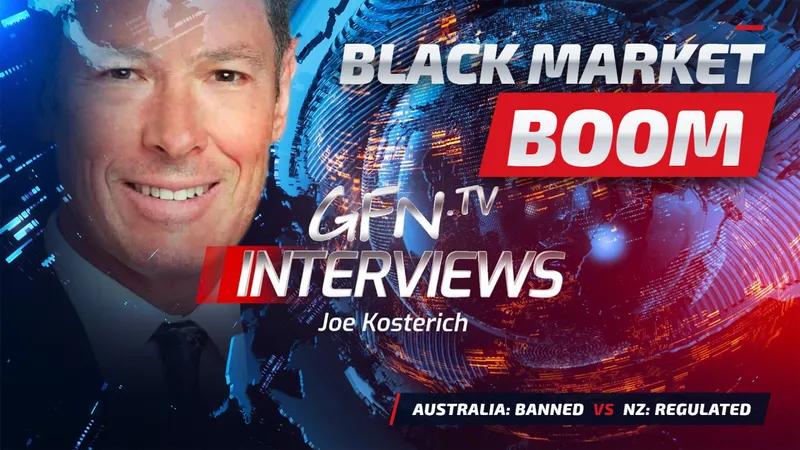
Why is smoking declining in New Zealand while Australia’s approach is fuelling a dangerous black market? In this excerpt from GFNTV’s interview at GFN 2026 in Warsaw, Australian GP Dr Joe Kosterich contrasts New Zealand’s approach to tobacco harm reduction with Australia’s restrictive policies on safer nicotine products.
📅 5 Oct 2026
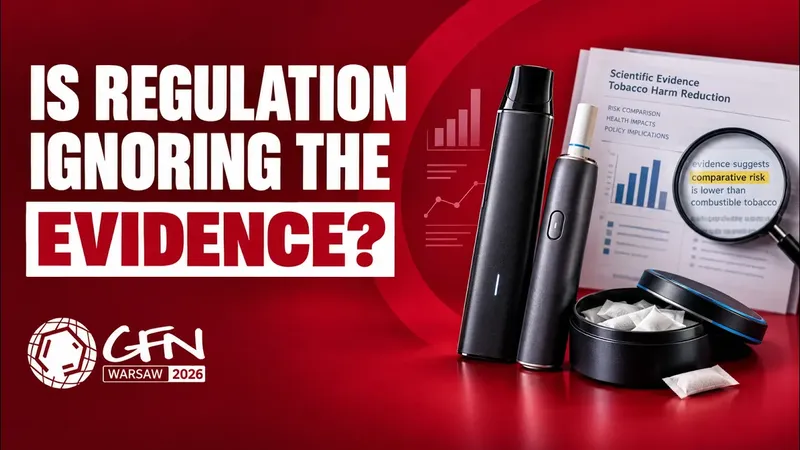
Is Regulation Ignoring the Evidence? The Challenge of Better Regulation | #GFN26 Science Lab
Is regulation keeping up with the evidence?
As the European Union considers the future regulation of non-combustible tobacco and nicotine products, an important question emerges: is the available scientific evidence being assessed fully, consistently and transparently?
In this Science Lab presentation, Carrie Wade examines the EU’s Better Regulation Framework and the evidence used in the recent evaluation of the Tobacco Products Directive (TPD). She argues that sound regulation requires a broad and balanced evidence base—including quantitative and qualitative data, expert input, stakeholder perspectives, uncertainties and conflicting findings.
📅 1 Oct 2026
GFN.TV Interviews #97 | Why Australia’s Crackdown Fuels the Black Market?
Dr. Joe Kosterich first took an interest in nicotine vapes when patients who struggled to quit smoking quit thanks to vaping. Then Australia made the products they relied on nearly impossible to buy legally. Shot on location at GFN 2026 in Warsaw, the Australian GP explains how restrictions drove vape sales into the black market, where consumers face unregulated products and criminal gangs fight for control. Kosterich argues that public health’s war on nicotine has lost sight of the people it was meant to help.
Featuring: DR. JOE KOSTERICH Physician, Health Industry Consultant @drjoesDIYhealth drjoetoday.com
📅 29 Sep 2026
New Nicotine Products & Cardiovascular Health: What Does the Evidence Say? | #GFN26 Science Lab
What does the current evidence tell us about the cardiovascular impact of novel tobacco and nicotine products?
In this presentation from Global Forum on Nicotine 2026, Dr. Thomas Nahde discusses a narrative review examining cardiovascular health and the potential impact of switching from combustible cigarettes to non-combustible nicotine products.
The review brings together 221 publications, covering experimental research, clinical studies and population-level evidence. It examines cardiovascular toxicant exposure, biomarkers of potential harm, atherosclerosis-related mechanisms, and evidence surrounding e-cigarettes, heated tobacco products and nicotine pouches.
📅 24 Sep 2026
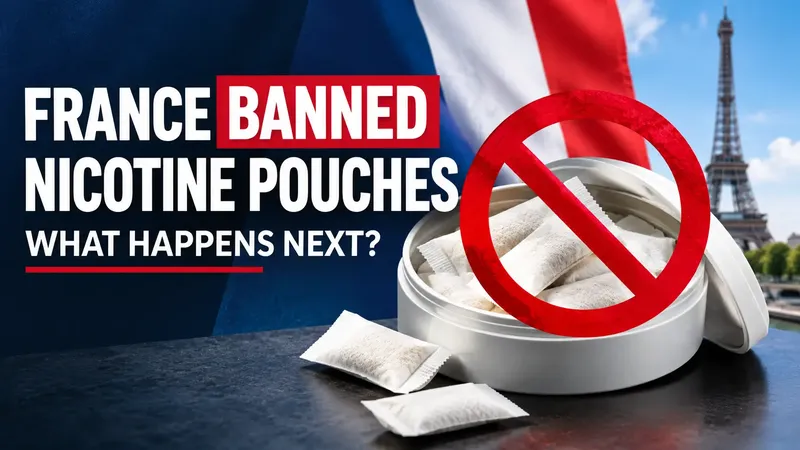
France Banned Nicotine Pouches! What Happens Next?
France has recently prohibited nicotine pouches. Jean-François Etter discusses what prohibition could mean for consumers, quality control, illicit markets and criminal groups and why the demand for nicotine pouches may not simply disappear.
📅 22 Sep 2026
What Does Real-World Use Tell Us About Blu? | #GFN26 Science Lab
In this GFN Science Lab presentation, Layla Malt explores findings from two actual-use studies involving 850 adults who smoke, examining how flavour preferences, motivation, cravings, and risk perceptions relate to changes in smoking behaviour.
The analysis highlights the role of non-tobacco flavours, consumer experiences, and individual preferences in the transition away from cigarettes, alongside follow-up data extending to 24 weeks.
📅 18 Sep 2026
When Happens When Moral Panic Drives Nicotine Policy? | GFN Interviews #96
A clear and worsening division within public health has turned the debate over nicotine into a moral panic, with potentially dire consequences. Shot on location at GFN 2026 in Warsaw, Poland, longtime nicotine researcher and former University of Geneva professor of public health Jean-François Etter examines the irrational push to prohibit safer nicotine products. He explores public health groupthink, how arbitrary nicotine limits leave people underdosed, and why innovation may ultimately render opponents of tobacco harm reduction obsolete.
Featuring: JEAN-FRANÇOIS ETTER Nicotine & Tobacco Harm Reduction Researcher Former Prof. of Public Health, University of Geneva @etterjfZ profetter.substack.com
📅 16 Sep 2026
Are Older Smokers Being Left Behind?
A harm reduction approach should not stop at those who are still smoking. What about the millions who have already moved to safer nicotine products - and still depend on access to them? If public health is about reducing harm, shouldn’t their voices count too?