GFN•TV will bring the conference's platform for rational and inclusive debate on the future role of safer nicotine products and tobacco harm reduction to an audience all year round. GFN•TV will also be broadcasting live from Warsaw in June. Tune in to hear world-leading experts, tobacco harm reduction advocates and nicotine consumers discuss the latest scientific, regulatory and policy developments. From our unique annual event, to year-round reporting of the issues that matter in tobacco harm reduction, GFN has got it covered.
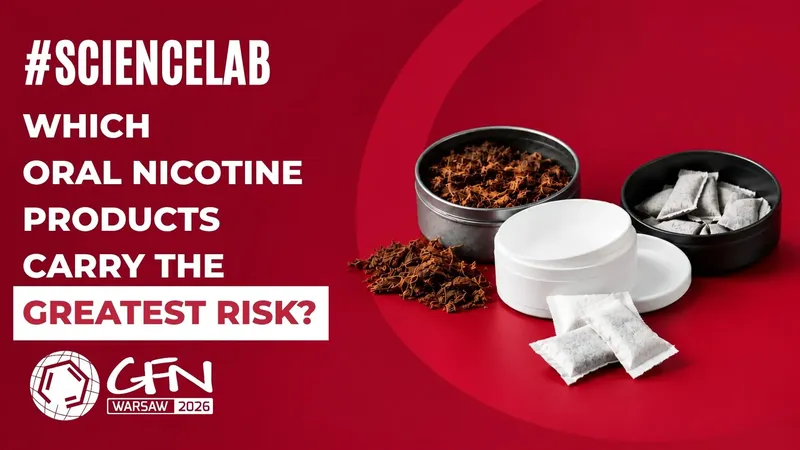
Which Oral Nicotine Products Carry the Greatest Risk? | #GFN26ScienceLab
Which oral nicotine products carry the greatest risk to oral health?
In this GFN Science Lab presentation, Helen Cowie examines how the shift from smoking to smokeless and oral nicotine products changes the way tobacco harm reduction should be assessed.
The discussion explores the current evidence on oral health risks across different product categories, including combustible cigarettes, traditional oral tobacco, snus and nicotine pouches. While cigarettes and several traditional oral tobacco products have well-established oral health harms, the presentation highlights evidence suggesting a substantially lower risk profile for oral nicotine pouches compared with smoking.
📅 11 Sep 2026
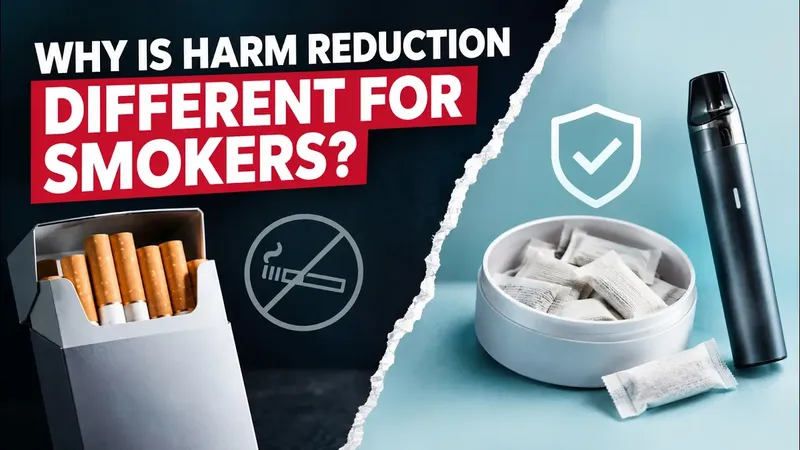
Why Is Harm Reduction Different for Smokers?
A safer alternative exists - but why is it so often treated differently? When harm reduction depends on meeting people where they are, where do smokers fit in? The answer may challenge some long-held assumptions about nicotine, choice, and public health.
📅 7 Sep 2026
What Does the Science Tell Us About Heated Tobacco Products? | #GFN26ScienceLab
How does the scientific evidence on heated tobacco products (HTPs) compare with what we know about cigarette smoking? In this presentation from the GFN Science Lab, Dr. Leonie Price takes a look at multiple layers of evidence surrounding heated tobacco products — from aerosol chemistry and toxicant emissions to biomarkers of exposure, environmental exposure, and the behavior of smokers who switch to HTPs.
📅 2 Sep 2026
Bans Don’t Eliminate Demand! | GFN Voices 2026 #6
Banning products doesn’t necessarily eliminate demand. Prohibition can push consumers toward black markets, reduce regulatory control, and create unintended consequences for public health. Timur Abdullaev explored prohibition, tobacco harm reduction, nicotine policy, and the challenges of trying to reduce smoking through increasingly restrictive policies. He also examined why nicotine, tobacco, and smoking should not be treated as synonymous — and what happens when they are.
📅 31 Aug 2026
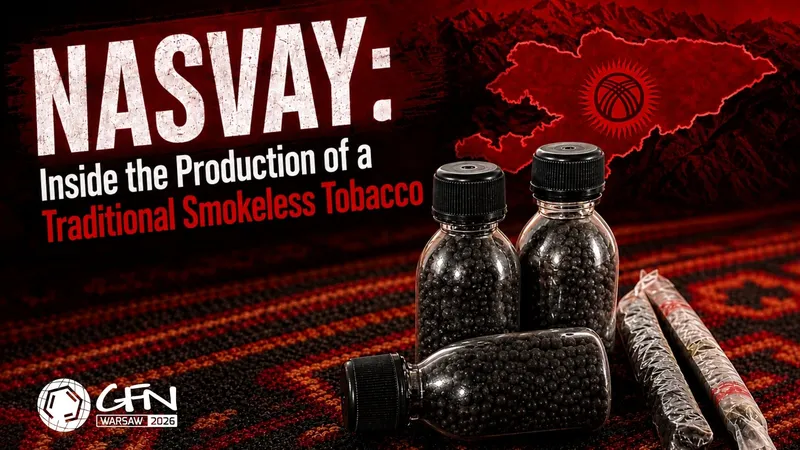
How Is Nasvay Made? Inside the Production of a Traditional Smokeless Tobacco | #GFN26ScienceLab
Nasvay is a traditional smokeless tobacco product widely used across Central Asia, particularly in Kyrgyzstan. Often produced on a small or household scale, it sits in a complex space between tradition, affordability, tobacco use and harm reduction.
This presentation explores nasvay through the experience of Renat, a producer from Kyrgyzstan who demonstrates how the product is made and explains its place in everyday life. The discussion looks at why people turn to nasvay when cigarettes become too expensive, how its use varies across different parts of Kyrgyzstan, and why it remains largely unregulated.
This video was produced by Knowledge-Action-Change within a grant from the Global Action to End Smoking, Inc. (“Global Action”), a US nonprofit 501(c)(3) private foundation. Global Action had no role in the planning, production or execution of this video.
📅 28 Aug 2026
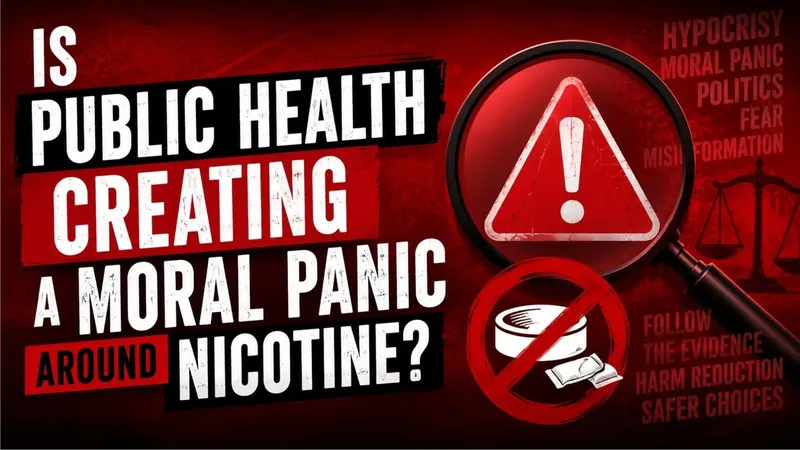
Is Public Health Creating a Moral Panic Around Nicotine?
What happens when public health loses sight of harm reduction? Evidence should come before stigma. Safer choices should be easier - not harder to access. But when nicotine, regulation, and the tobacco industry enter the conversation, politics and morality can quickly complicate the picture. Can we put the evidence first and focus on reducing harm?
📅 26 Aug 2026
Does Prohibition Actually Protect Public Health? | GFN Voices 2026 #5
Does prohibition protect public health - or can it make the problem worse?
At #GFN26, Brent Stafford speaks with Alex Wodak and Ian Fearon about the unintended consequences of prohibition, the rise of illicit nicotine markets, and the growing divide over tobacco harm reduction.
The conversation also examines a contentious issue within public health: why, according to Fearon, good-quality science on tobacco harm reduction can face resistance while weaker research can gain widespread attention
📅 24 Aug 2026
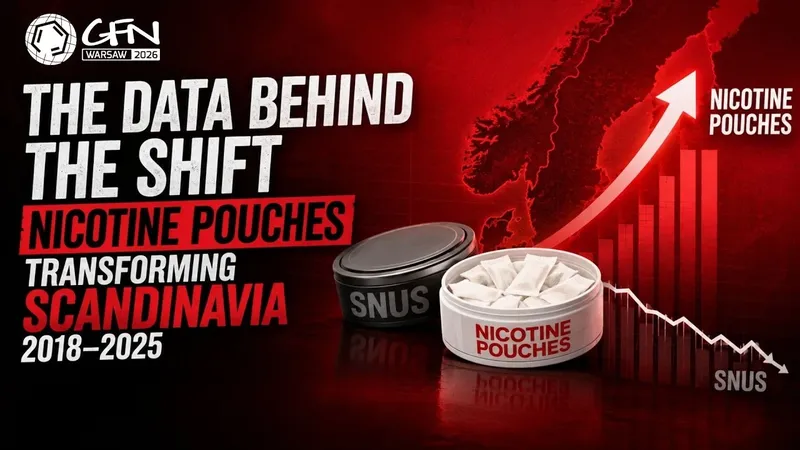
Nicotine Pouches in Scandinavia - How Sales Have Changed From 2018 to 2025? | #GFN26ScienceLab
Nicotine pouches are rapidly reshaping the nicotine market—but what does the data actually tell us about this shift?
In this GFN Science Lab presentation, Marina Murphy explores how consumer purchasing patterns have changed across Scandinavia between 2018 and 2025, revealing a striking transformation in the relationship between nicotine pouches and traditional oral products such as snus.
📅 19 Aug 2026
Can Governments Enforce Their Way Out of the Illicit Market Crisis? | #GFN Voices 2026 #4
Can governments enforce their way out of the illicit market crisis?
In this interview, Brent Stafford speaks with Asa Saligupta and Rohan Pike about the consequences of prohibition, the limits of enforcement, and whether tougher government action can truly curb the growing illicit nicotine market.
As restrictions tighten and enforcement efforts intensify, the black market continues to evolve. What is driving its growth, and could current policies be making the problem worse?
📅 17 Aug 2026
Measuring What Consumers Think, Feel and Do | #GFN26ScienceLab
Understanding what consumers think, feel, and do is essential to generating robust evidence on tobacco and nicotine products. In this GFN Science Lab session, Christelle Chrea discusses the role of consumer-reported outcome measures (CROMs) in tobacco and nicotine research, and the challenges involved in measuring consumer perceptions, behaviours, and experiences.
The session explores the distinction between descriptive measures, which capture observable behaviours such as product use and frequency, and psychometric measures, which assess underlying constructs such as risk perception, dependence, and other cognitive, perceptual, and affective dimensions.