
Jean-François Etter is a Swiss public health expert and researcher known for his work on tobacco control and smoking cessation. He holds master's degrees in political science and public health, and a doctorate in political science. An honorary professor at the University of Geneva, he has conducted research for over 30 years on smoking prevention and cessation, nicotine addiction, and the impact of various public health policies on smoking behavior. His studies often focus on harm reduction strategies, particularly in relation to e-cigarettes and other nicotine and tobacco products. His work has contributed to the understanding of smoking behavior and to the development of effective tobacco control policies.
All videos (3)
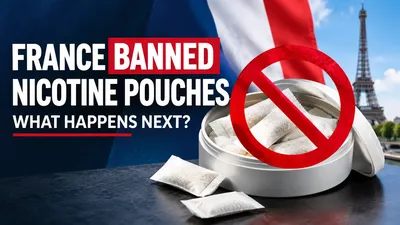
France Banned Nicotine Pouches! What Happens Next?
24 Sep 2026
France has recently prohibited nicotine pouches. Jean-François Etter discusses what prohibition could mean for consumers, quality control, illicit markets and criminal groups and why the demand for nicotine pouches may not simply disappear.

When Happens When Moral Panic Drives Nicotine Policy? | GFN Interviews #96
18 Sep 2026
A clear and worsening division within public health has turned the debate over nicotine into a moral panic, with potentially dire consequences. Shot on location at GFN 2026 in Warsaw, Poland, longtime nicotine researcher and former University of Geneva professor of public health Jean-François Etter examines the irrational push to prohibit safer nicotine products. He explores public health groupthink, how arbitrary nicotine limits leave people underdosed, and why innovation may ultimately render opponents of tobacco harm reduction obsolete.
Featuring:
JEAN-FRANÇOIS ETTER
Nicotine & Tobacco Harm Reduction Researcher
Former Prof. of Public Health, University of Geneva
@etterjfZ profetter.substack.com

The impact of prohibition on health and ethics | #GFN26 Keynote #2
22 Jun 2026
How does prohibition of safer alternatives square with the Hippocratic oath? What are the ethics of accepting smokers' lives and wellbeing as collateral damage, in pursuit of the war on the nicotine industries? Why is giving alternatives to people who misuse substances viewed differently to permitting people who smoke access to less harmful alternatives? Supported by evidence from work successfully debunking bad science, including exposing research claims correlating viral TikTok videos about nicotine pouches to sales. Shouldn't we allow people to make informed judgements about their behaviour and their health?